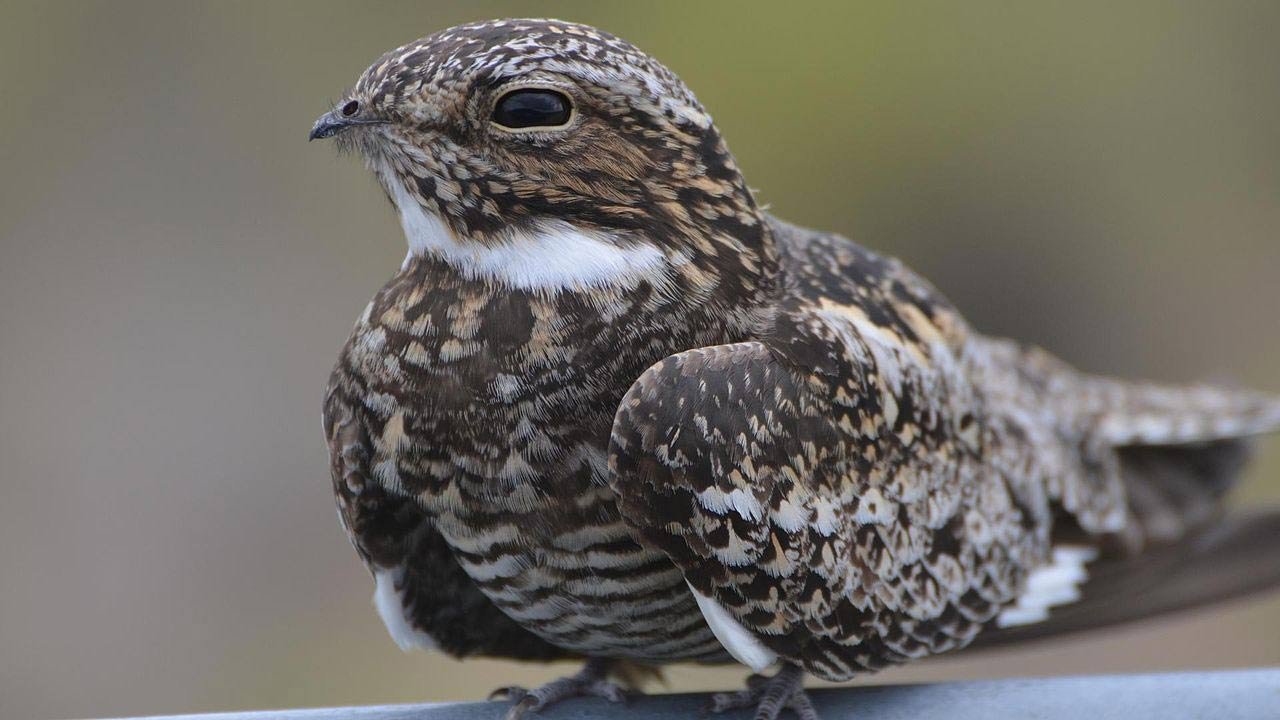
Common Night Hawk
Call-out to comment on CFGP’s immediate plans for the Anvil Lake Watershed
Friends of Anvil Lake, humbly and respectfully give gratitude for living on the traditional and ancestral lands of the toq qaymɩxʷ (Klahoose), ɬəʔamɛn qaymɩxʷ (Tla’amin), and ʔop qaymɩxʷ (Homalco) peoples and in particular, for the opportunity to be partners in the Cortes Forestry General Partnership (CFGP).
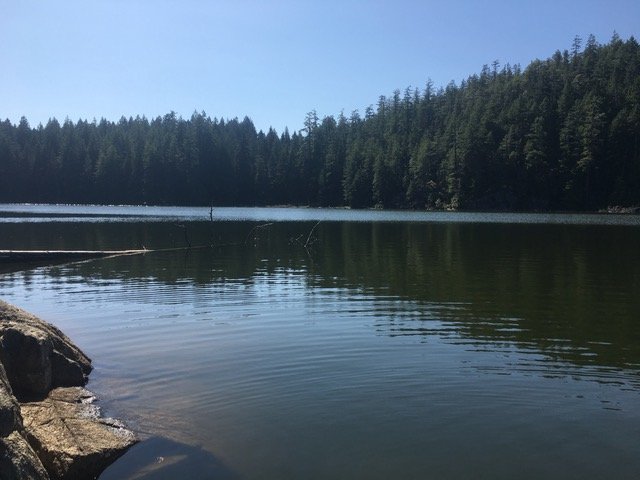
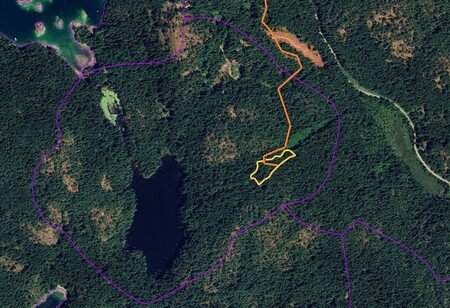
Friends of Anvil Lake wish to speak for a watershed known to the Cortes Island settler community as the Anvil Lake Watershed; see attached satellite image.
We view CFGP plans for this watershed through the lens of climate change.
Friends of Anvil Lake have respectfully and diligently responded to CFGP’s invitations for public consultation on ANV1 and GH1; providing strong, consistent input from June 2022 to present.
CFGP has proceeded, business as usual, with their plans to develop roads into the Anvil Lake Watershed for the purposes of logging and fire mitigation in their presently drafted 5 year plan 2024-2028.
Friends of Anvil Lake believed that if enough people expressed concerns over CFGP’s proposed operations in the Anvil Lake Watershed, they would honour that and not proceed with operations.
Friends of Anvil Lake are therefore appealing to the Cortes community to respectfully comment on CFGP’s plans for the Anvil Lake Watershed.
We, the 94 signatories to the Friends of Anvil Lake’s 2022 petition to protect Anvil Lake, are appealing to the CFGP to provide our next opportunity for public consultation – which would represent our first opportunity to sit together again since the May 11th, 2023 public meeting that launched the present 5 year plan consultation.
Notice of the falling of trees commencing this Spring/ early 2024, to continue the Gorge Harbour Mainline, was posted on the Cortes Tideline February 27th and the CFGP website February 28th; these notices were not accompanied by an invitation for public consultation.
On March 10th the Cortes Community Forest Cooperative advised its membership that this road building would commence March 18th with no invitation for public consultation or site visit.
This proposed road building represents only the first operation in preparation for future logging plans of the greater Anvil Lake Watershed; it is essential we maintain a long-term, landscape level view of this proposal.
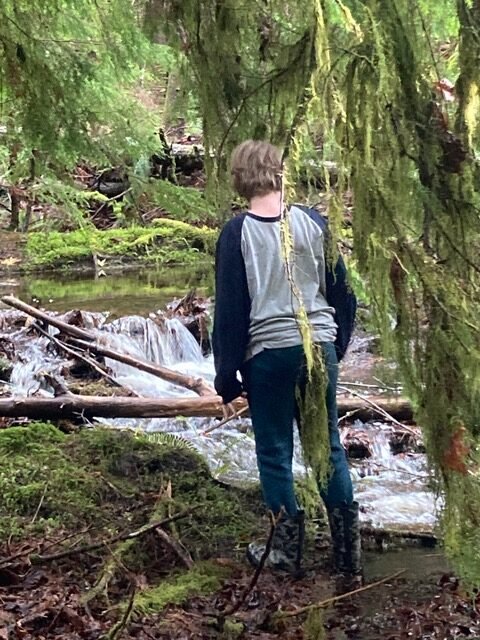
Compacted, permanent road building and the logging that follows, will negatively impact the hydrology of the greater Anvil Lake Watershed.
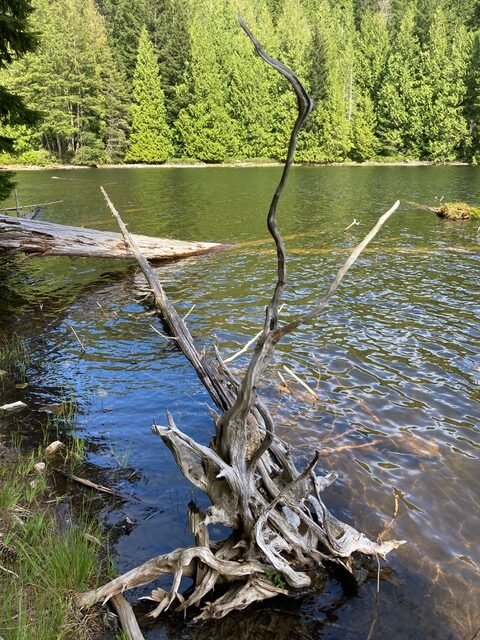
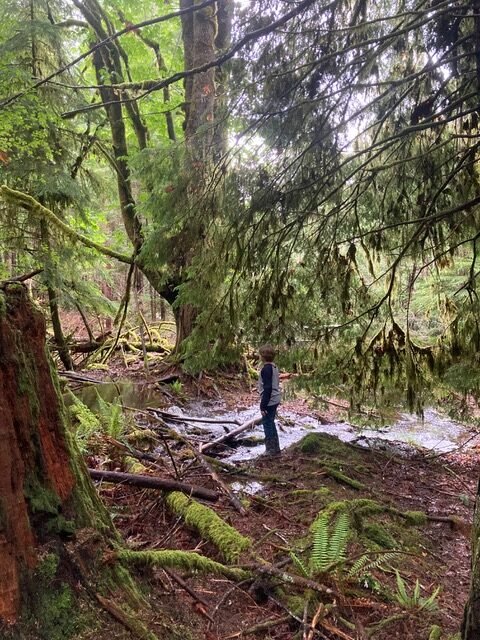
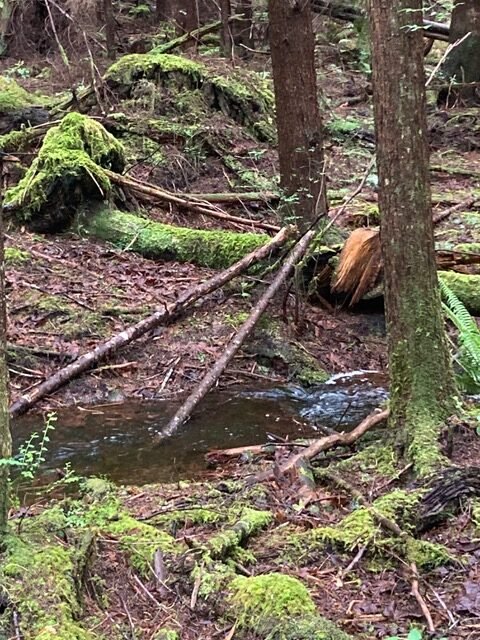
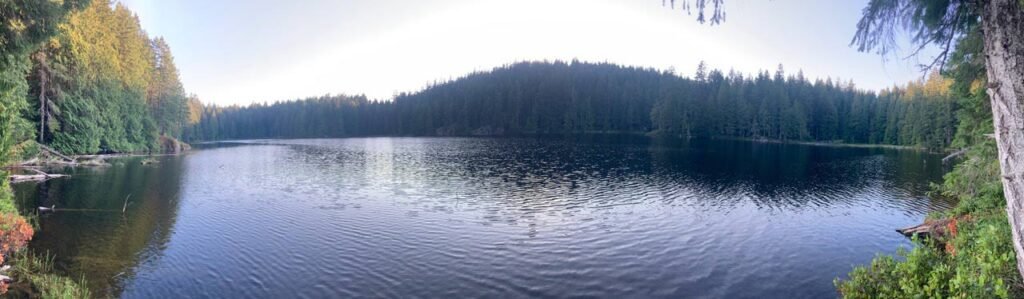
Anvil Lake is the wetland at the heart of this watershed; the centre of a complex network of riparian and wetland sensitive ecosystems.
“The power of wetlands; acre for acre, no other ecosystem benefits people and wildlife more than wetlands.” Steve Adair/ Ducks Unlimited
Wetlands provide essential hydrological services at the landscape level when spatially distributed across a landscape. Wetlands collect, hold, purify fresh water at the surface and then slowly release it to recharge our groundwater aquifers.
Keeping more water on the land tops the list of nature-based solutions for building landscape resilience for climate change.
Cortes Island’s growing concerns around water aquifers under the climate lens of forecasts for drier, hotter summers, begs us to adopt the precautionary principle.
We know that Cortes Island’s only source of water is the rain that falls from the sky and we need to – keep that water on the land.
Wetlands offer excellent natural protection in the mitigation of wildfires.
Anvil Lake is rated moderate risk in the Community Wildfire Protection Plan (CWPP).
CFGP’s suggested removal of mistletoe infected hemlock in the primary riparian inflow to Anvil Lake to enhance fire mitigation, if deemed necessary, could be accomplished by walking in and adopting the standard, “chop & drop” protocols.
Wetlands and their associated riparian ecosystems boast high biological diversity.
The tally of provincially designated species and ecological communities at risk recorded in the Anvil Lake Watershed is impressive and comprehensive, spanning some 40 years of dedicated citizen science observations.
Anvil Lake is one of only a few lakes on the entire Cortes Island landscape that remain relatively unimpacted today and in strong, steady recovery following Cortes Island’s heyday of logging.
The ecological integrity of this recovering watershed, in Friends of Anvil Lake’s opinion, is worth more to Cortes Island than the benefits to be accrued through CFGP’s present planning for forest extraction and wildfire mitigation.
Trees are scheduled to start falling in 5 days on March 18th.
Please contribute your comments on CFGP’s immediate plans for the Anvil Lake Watershed by e-mailing: directors@cortescommunityforestcoop.org
Thank you.
Pygmy owl
Pygmy owl 2
Save Anvil Lake
Letter to the Community
Perhaps Cortes residents have heard about the latest community dispute involving logging and fire mitigation plans for the Anvil Lake region. Many of us are firmly against the present road building process and inadequate public consultation with the community at large, such as the lack of involvement and dialog with the Registered Professional Forester in charge of planning the project.
Here are some of the reasons why the Anvil Lake area is so important.
– A unique undeveloped lake/wetland/green space and wildlife corridor in the southern portion of the island.
– Protected in theory under the official community plan, ‘DPA’ bylaws (Development Permit Area) indicating no development. Listed with the Discovery Islands inventory of sensitive ecosystems.
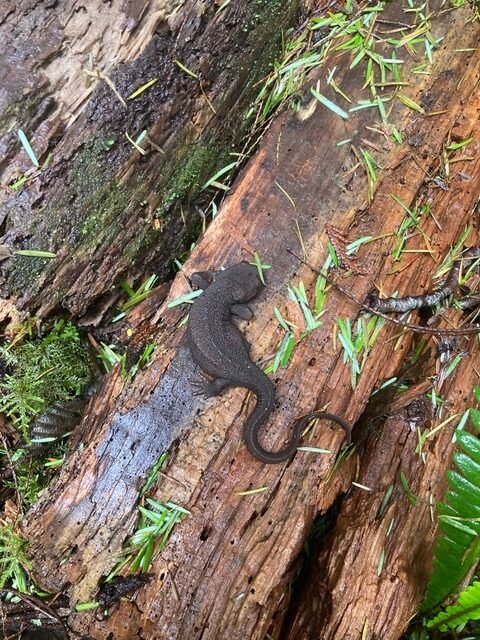
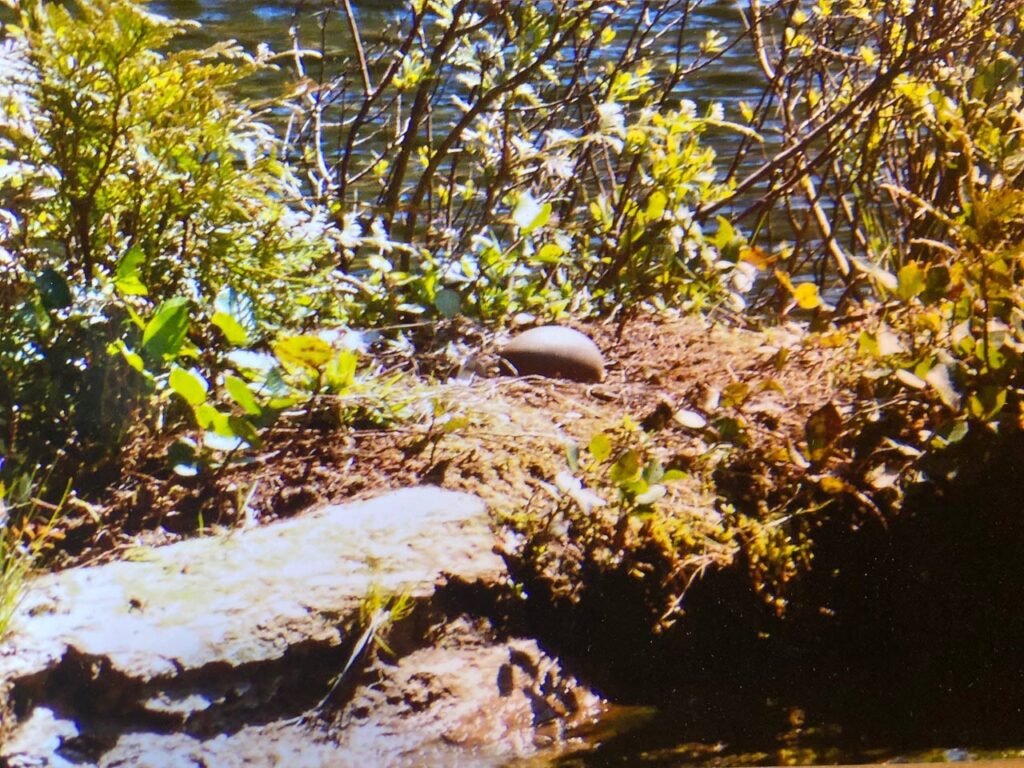
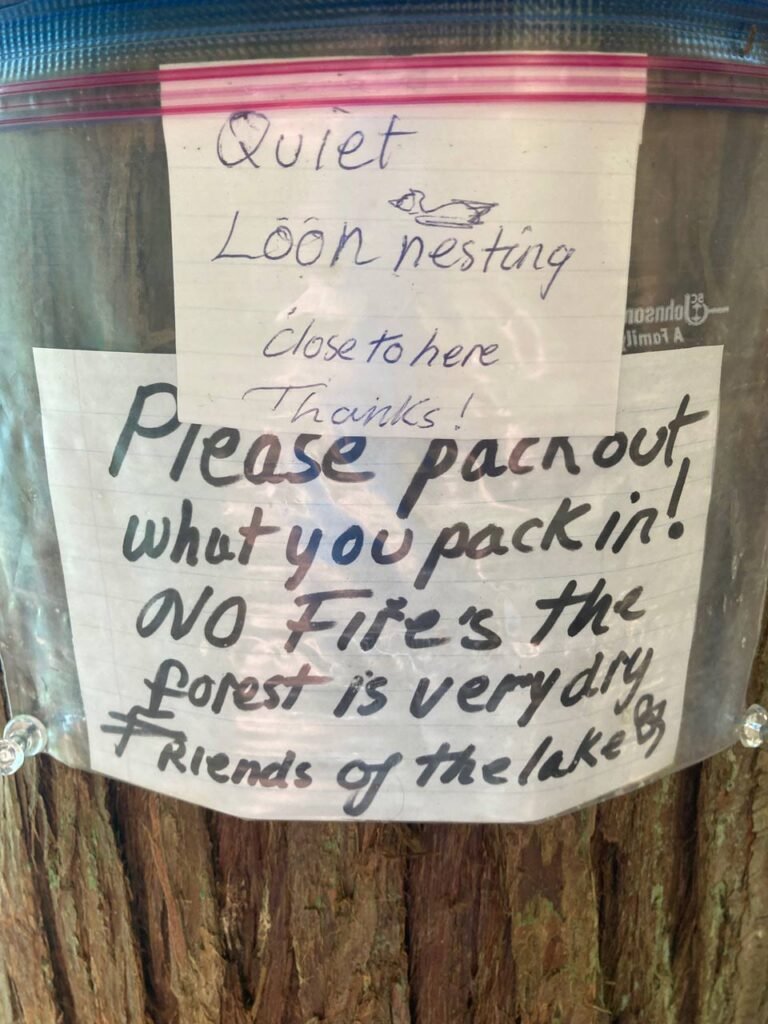
– Home to an amazing range of wildlife including mammals – deer, cougar, wolves, otters, muskrat, voles and squirrels, raccoons, and formerly beaver, as well as bat habitation and nesting location(s). Bird population includes eagles, ravens (nesting), vultures, four types of owls (barred, northern pygmy, horned and possibly spotted), marbled murrelets, hawks (common night hawk, Cooper’s hawk, osprey, sharp shinned hawk, red tailed hawk), waterfowl/ducks – wood ducks and others (nesting), common loon (nesting), great blue heron, geese (Canada and Greater white fronted goose), Band tailed Pigeon, Woodpeckers (Northern Flicker, Pileated Woodpecker, Hairy Woodpecker), Red breasted sap sucker, Rufous Hummingbird, Hammond’s Flycatcher, Violet-green swallow, Swainson’s thrush, Townsends warbler, Western Tanager, sparrows (spotted Towhee, House sparrow, Song Sparrow) Blackbirds (brown headed cowbird, red winged blackbird), Finches of many varieties (house finches, red crossbill) Purple Martin and Short billed Dowitcher Sandpiper, Pine Sisken, Red Breasted Nuthatch, Varied Thrush. There is also a variety of common forest inhabitants including robins and intermittent jays, as well as a variety of transient or seasonal visitors. A previous population of blue and ruffed grouse seems to have disappeared unfortunately, and there is evidence of habitat displacement for owls already. There is a population of newts, red-legged and other frogs, alligator lizards, garter snakes and fish in the lake.
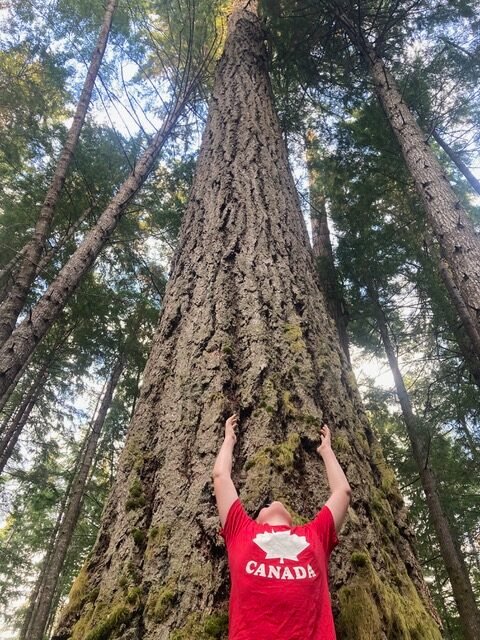
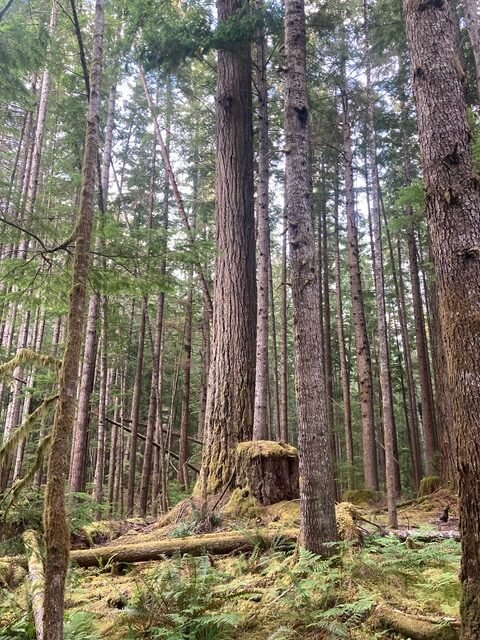
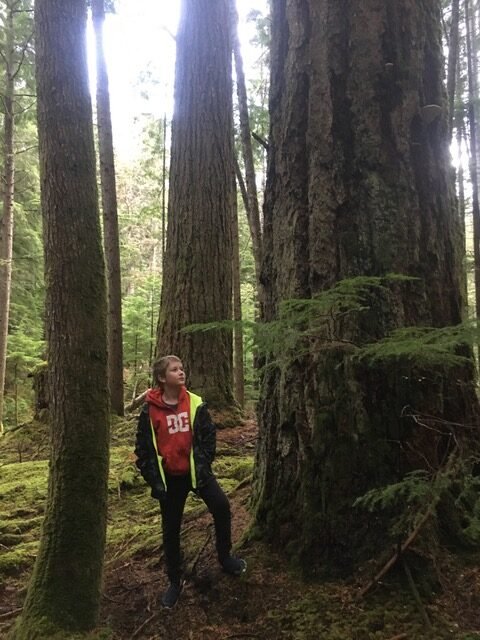
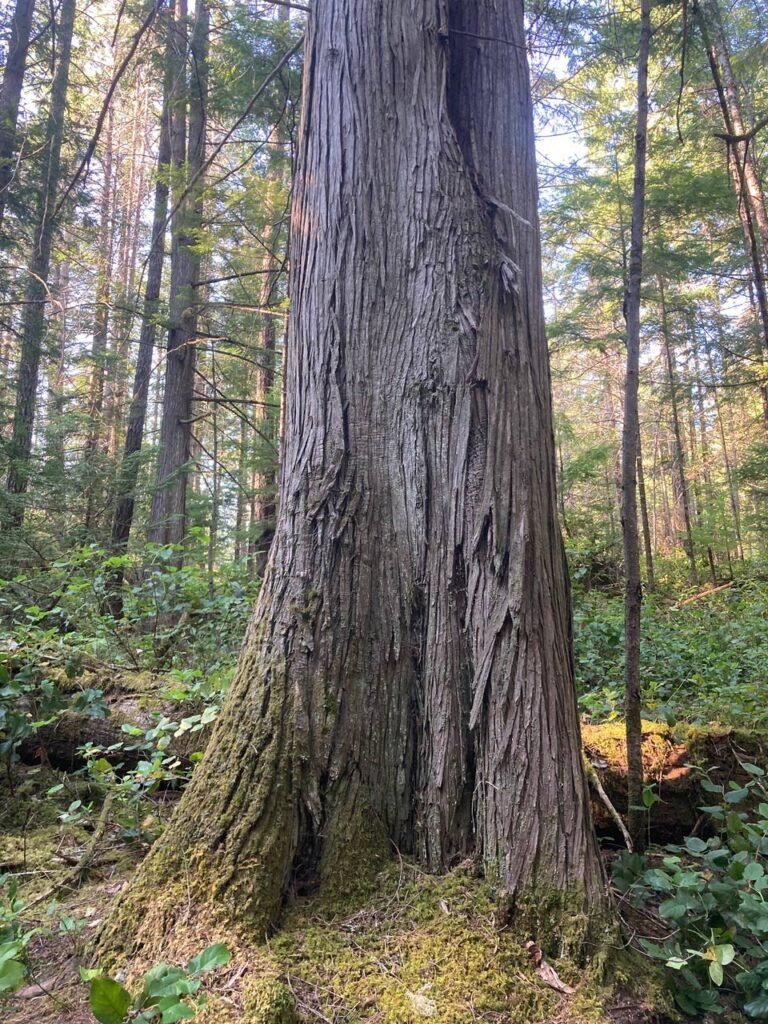
– The woodlands include considerable old growth fir (including habitat trees) and cedar as well as a selection of second growth habitat and wetlands for a variety of ecosystems, mushrooms and other forest products.
Since my time as a property owner in the area, there have been two other (less intrusive) attempts to develop roads and access to Anvil Lake, both of which failed after concerted outcry by the community as a whole. The proposed ‘wildfire mitigation’ is highly questionable by experienced foresters we have contacted and has likely immediate adverse effects including to the water supply and hydrology of this shallow vulnerable lake.
I strongly suggest that the community again informs themselves about the Anvil Lake area and supports the efforts of adjacent property owners to create dialog with the Cortes Forestry General Partnership to properly understand and influence this project now and into the future. I believe that a temporary freeze on the road development and logging in the meantime is appropriate. This controversy is generating much ill feeling and divisiveness in the community which is unfortunate but should be resolvable with better communication. I would like to state that I do not hold a lack of respect to any of those involved, but my values are that I should advocate for preserving this wonderful unique pocket wildlife refuge to the best of my abilities for the sake of the community and the island.
Thank you for your attention,
Kirstie Overhill
Reprinted from the Cortes Tideline, 11th October 2022